
A Window into Moroccan Life and Tradition
Step into the Tetouan Ethnographic Museum or or Bab El Oqla Museum , a cultural treasure that offers a vivid glimpse into the daily life, traditions, and craftsmanship of northern Morocco. Housed in the former fortress of Sultan Moulay Abderrahman and transformed into a museum in 1948, this historic building preserves centuries of cultural heritage while celebrating the city’s rich social and artistic legacy.
A Historic Setting with Timeless Charm
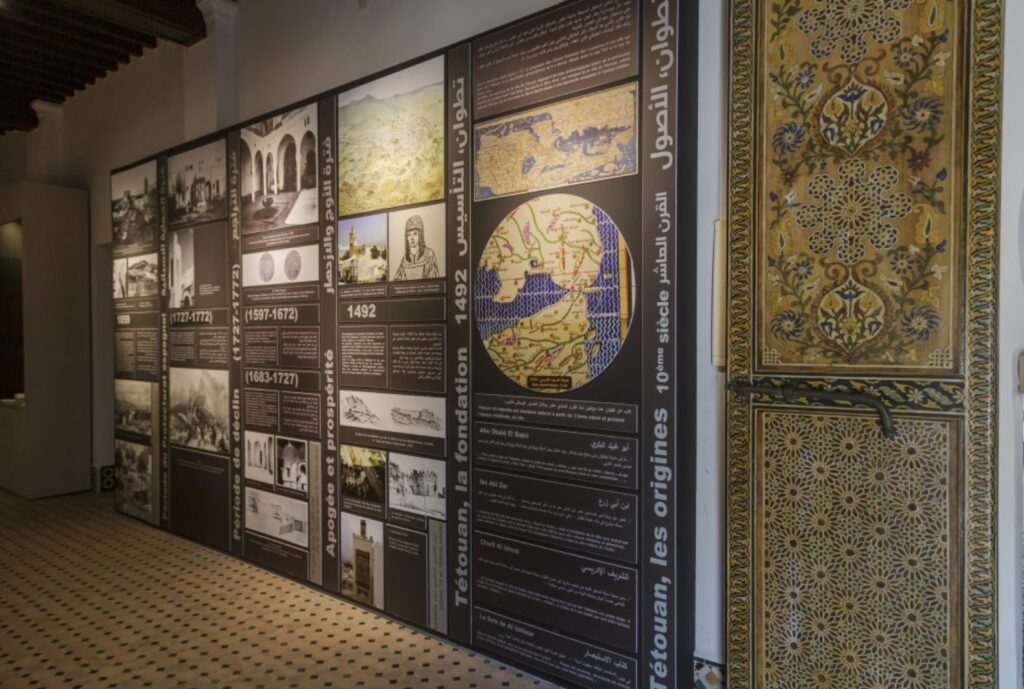
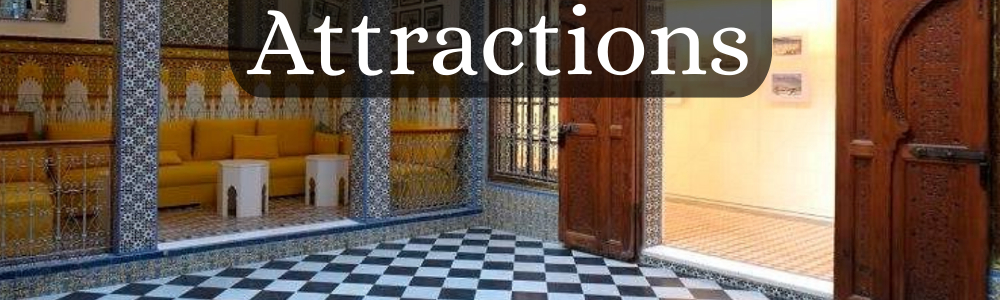
The museum’s architecture reflects the grandeur of traditional Moroccan palaces and fortresses. Visitors are welcomed into a beautiful garden with a central pool, a covered zellige fountain, and a terrace displaying Portuguese cannons—reminders of Tetouan’s strategic and historical significance. The setting itself provides an immersive prelude to the treasures displayed inside.
Exploring Public and Private Life

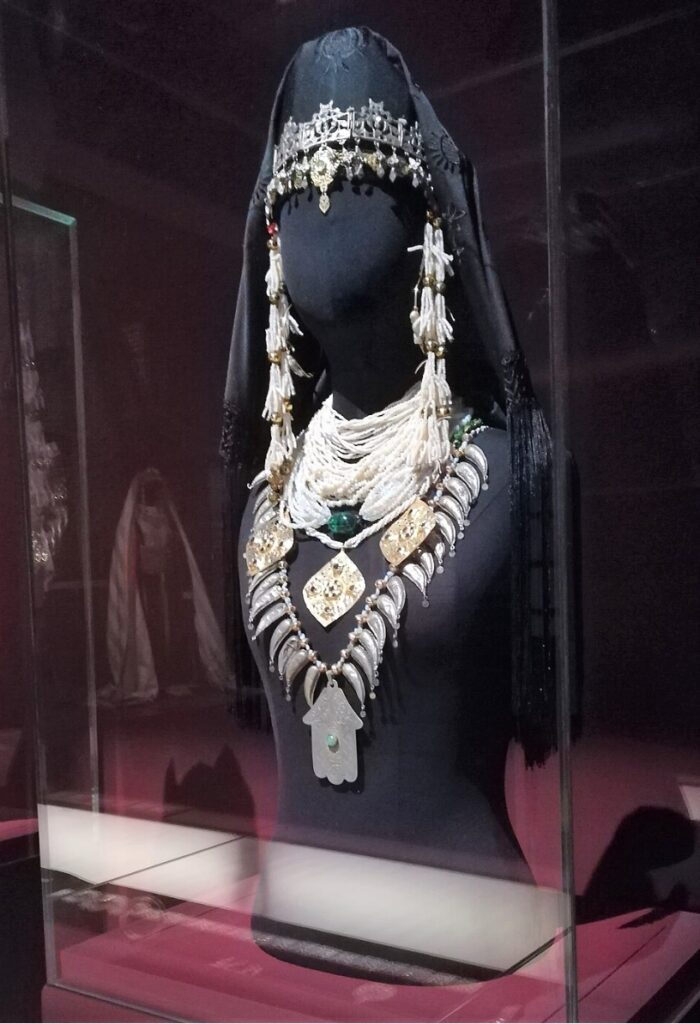
The museum’s collections are organized around two main themes:
- Public Life – Showcasing mosques, zawiyahs, handmade production spaces, and socio-cultural activities that define the city’s public sphere.
- Private Life – Offering a unique look at family life, the role of women, and intimate domestic traditions.
On the ground floor, visitors encounter Tetouan’s renowned handmade crafts, including leatherwork, painted wood, spinning, pottery, and ceramics—many techniques brought from Andalusia by Moorish refugees in the 15th century.
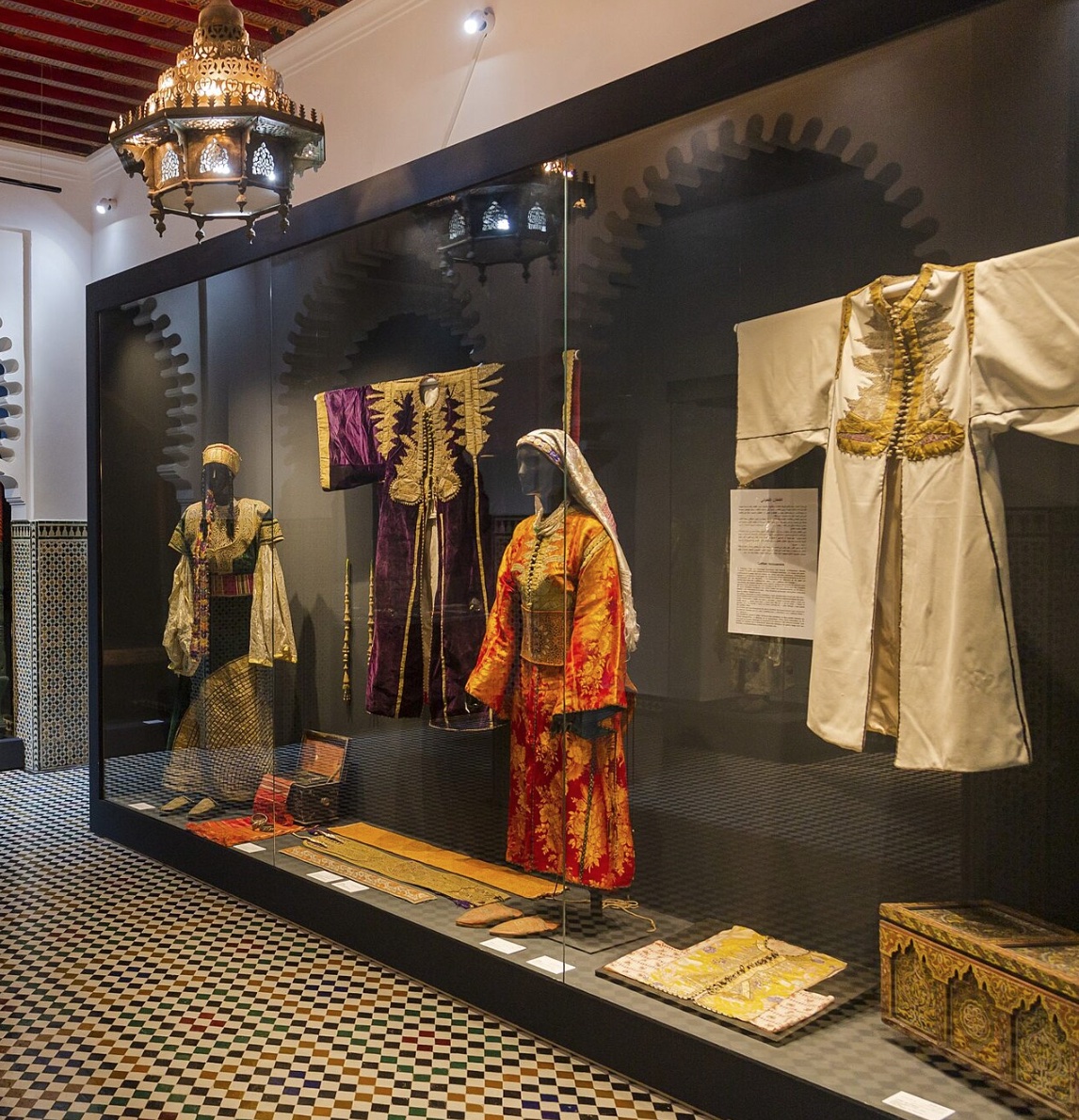
Upstairs, the museum reveals the private world of women, tracing their life journey from birth to marriage. This section highlights Tetouani embroidery, one of Morocco’s most distinctive textile arts, and features a traditional wedding room complete with:
- A nuptial bed with seven silk-covered pillows representing the seven wedding days
- Walls adorned with ornate fabric called “Hayati”
- Decorated mirrors called “Tenchifa”
- Painted wooden chests displaying the bride’s trousseau
This intimate space offers an unparalleled glimpse into the rituals, artistry, and traditions surrounding Tetouan’s women and families.
Treasures of Northern Morocco
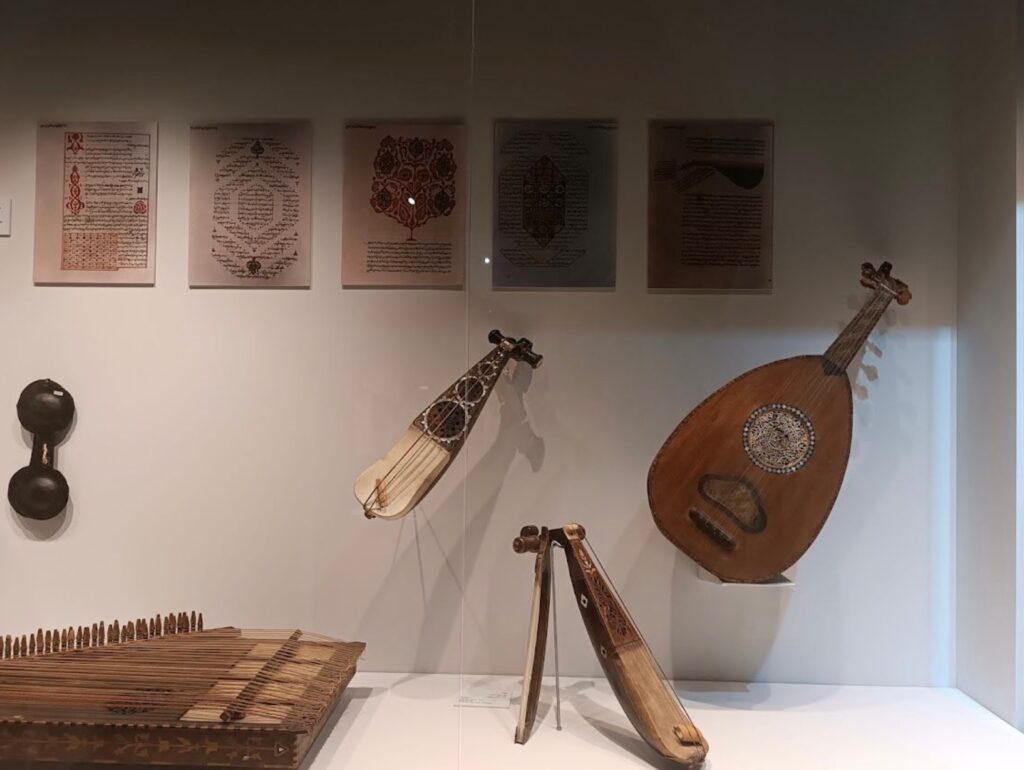
The museum’s collection also includes:
- Zellij panels, showcasing the region’s geometric tile artistry
- Rif pottery and leather crafts
- Displays of local cuisine and culinary traditions
- Cultural insights into celebrations like Shedda, a ceremony where young girls are dressed as little brides
Every corner of the museum tells a story, combining artistry, ritual, and daily life to illustrate Tetouan’s ethnographic richness.
Why Visit Tetouan Ethnographic Museum?
- Located in a historic 15th-century fortress transformed into a museum in 1948
- Features a garden, terrace, and zellige fountain
- Houses a rich collection of traditional crafts, costumes, and jewelry
- Explores women’s private life, Tetouani embroidery, and marriage traditions
- Offers insight into local customs, cuisine, and celebrations
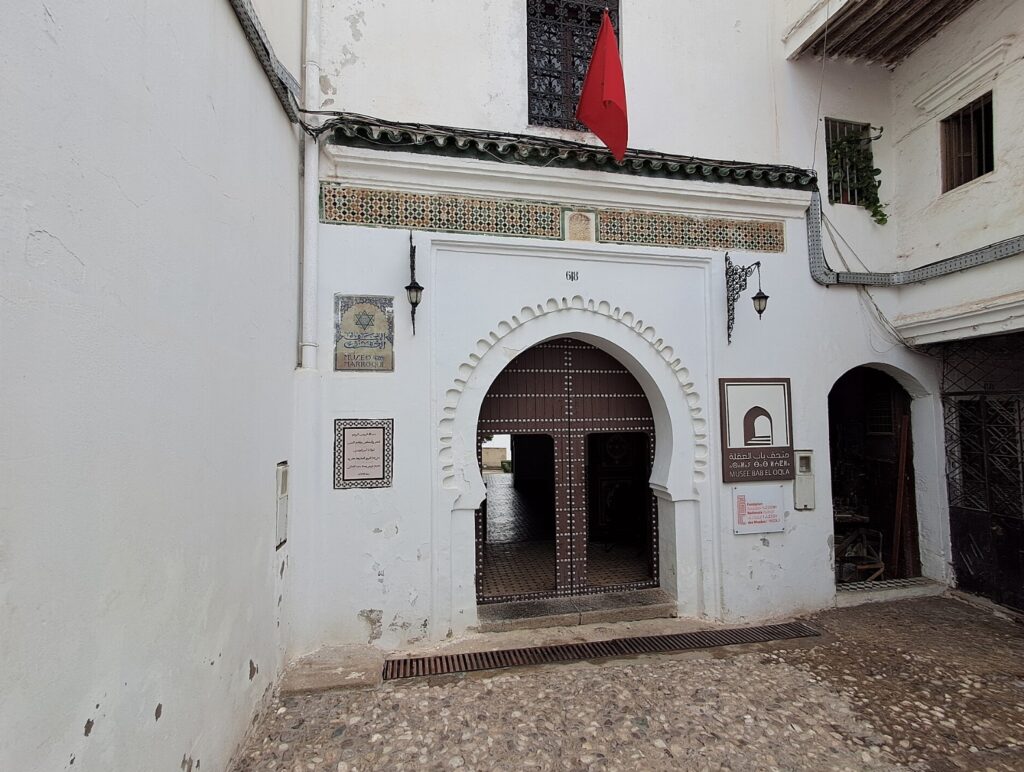
The Tetouan Ethnographic Museum is more than a museum—it’s a living storybook of Moroccan culture, where visitors can explore the vibrant tapestry of public and private life, craftsmanship, and tradition in northern Morocco.